

Vitamins and Minerals for Men: A Guide to Natural Supplement Ingredients
This guide explains the natural vitamins, minerals, and botanicals used in the formulations featured at Nusavita. Understanding what goes into men's vitamin supplements matters for making informed choices about your daily wellness routine. We break down the components found in natural capsules for strength and vitality — their sources, general properties, and role in daily nutrition.
Each entry below covers the ingredient's source, its chemical form as it appears on a supplement label, and its role in daily nutrition — factual descriptions only, no claims about outcomes.
Essential Vitamins for Daily Nutrition
Vitamins are organic compounds required in small amounts for normal cellular function. In the context of natural supplements for men, formulations often include vitamins A, C, D, E, and the B-complex group. Vitamin C and E are known for their antioxidant properties, while Vitamin D is important for bone health and is often supplemented by individuals with limited sun exposure.
We provide detailed entries for each vitamin, explaining its chemical form in supplements and its role in the body. For instance, we clarify the difference between various forms of Vitamin E used in different products. This information helps you understand why certain vitamins are included in energy and endurance supplements.

Vitamin C
(a) ascorbic acid

Vitamin E
(b) d-alpha-tocopherol

Vitamin D
(c) cholecalciferol

Vitamin A
(d) retinyl palmitate
The Role of Minerals in Men's Health
Minerals are inorganic elements that the body needs for structural and functional purposes. Common minerals in men's health support products include zinc, magnesium, selenium, and calcium. Zinc is frequently included in formulas aimed at active men due to its role in normal protein synthesis and immune function. Magnesium contributes to normal muscle function and is often found in supplements designed for recovery and endurance.
We detail the specific mineral compounds used in supplements, such as magnesium oxide versus magnesium citrate, explaining that these forms have different properties. This helps you interpret the labels of healthy lifestyle products accurately and understand why a manufacturer might choose one form over another.

B-Complex Vitamins and Energy Metabolism
The B-complex vitamins are a group of eight water-soluble vitamins that play a direct role in energy metabolism. Because these vitamins are involved in converting food into energy, they are staples in energy and endurance supplements and in popular products for men. Vitamin B12, for example, is important for normal red blood cell formation, which transports oxygen throughout the body.
Thiamine (B1)
Involved in converting carbohydrates into usable energy. Among the first vitamins listed on many men's vitamin supplements labels.
thiamine mononitrate
Riboflavin (B2)
Plays a role in the body's energy-producing pathways. Often recognized by its bright yellow-orange color in supplement formulations.
riboflavin
Niacin (B3)
Contributes to normal energy-yielding metabolism and to the maintenance of mucous membranes and skin.
nicotinamide
Cobalamin (B12)
Important for normal red blood cell formation and neurological function. A common addition to energy and endurance supplements.
cyanocobalamin
Pantothenic Acid (B5)
A component of coenzyme A, involved in synthesizing and metabolizing fats, proteins, and carbohydrates.
calcium pantothenate
Pyridoxine (B6)
Contributes to normal amino acid metabolism and to the regulation of hormonal activity in the body.
pyridoxine HCl
Biotin (B7)
Plays a role in macronutrient metabolism. Sometimes listed as an addition in natural capsules for strength and vitality.
d-biotin
Folate (B9)
Contributes to normal blood formation and to the growth of maternal tissues. Found in leafy greens and legumes.
folic acid
Zinc and Magnesium Details
Zinc and magnesium are two minerals frequently highlighted in men's vitamin supplements. We explore the different forms of these minerals found on supplement labels, so you know exactly what form of the mineral you are consuming and how it fits into the broader category of natural supplements for men.
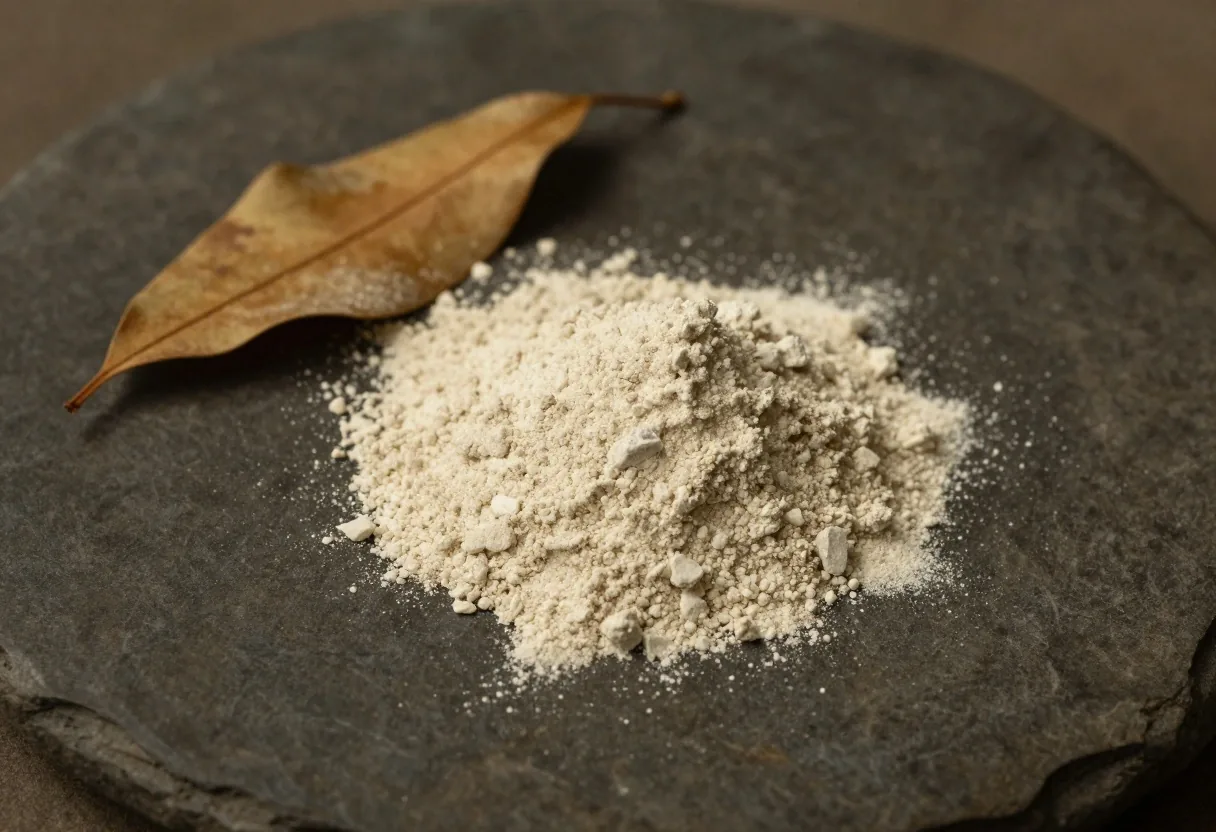
Zinc
Zinc supports normal immune system function and plays a role in cell division. It is often found in supplements aimed at supporting an active lifestyle. On a label, you might see zinc gluconate, zinc citrate, or zinc picolinate — each pairs the zinc ion with a different carrier compound, which affects how the ingredient is listed and processed.
- (a) Zinc gluconate — a common, cost-effective form frequently used in lozenges and capsules.
- (b) Zinc citrate — a form often chosen for its neutral taste in multivitamin blends.
- (c) Zinc picolinate — a chelated form where zinc is bound to picolinic acid.
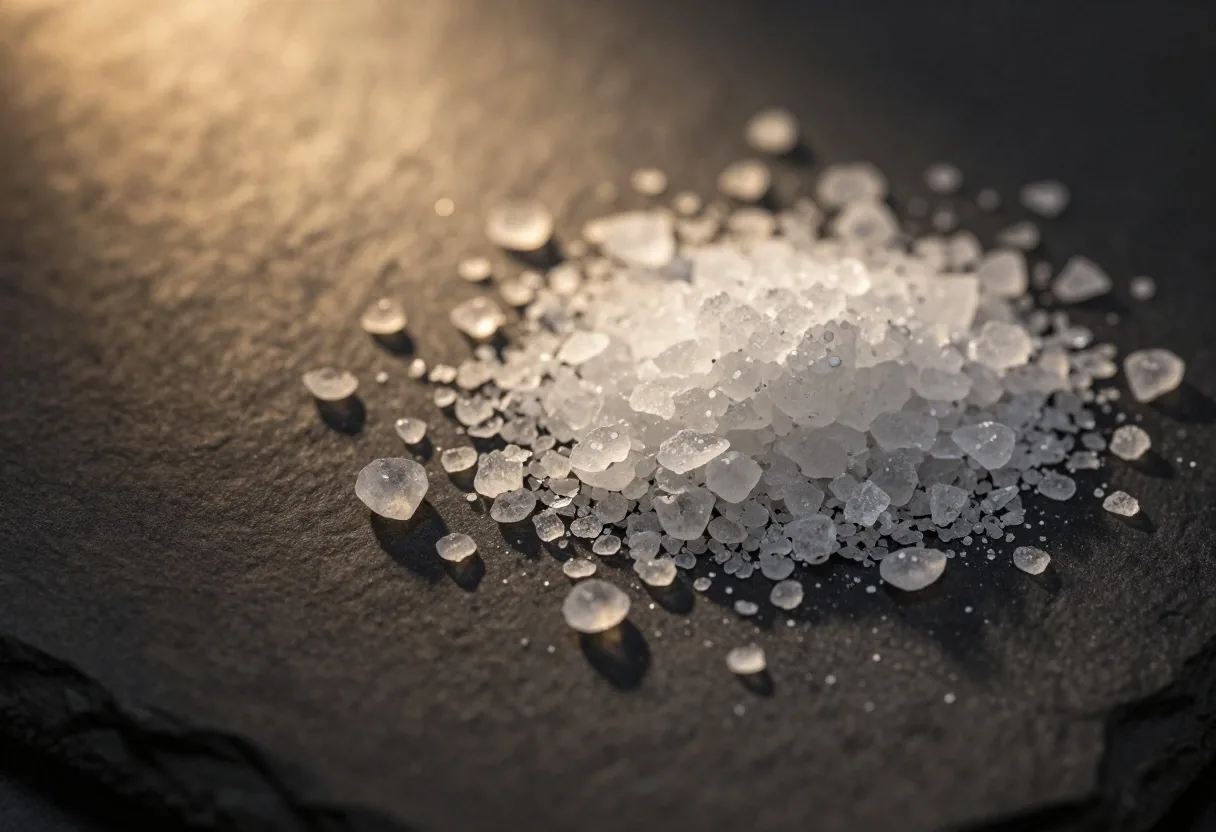
Magnesium
Magnesium is involved in numerous enzymatic reactions in the body, including those related to energy production and muscle function. It is a frequent ingredient in supplements designed for recovery and endurance. The form on the label tells you which magnesium compound the manufacturer chose.
- (a) Magnesium oxide — a dense form often used for its high elemental magnesium per gram.
- (b) Magnesium citrate — a more soluble form frequently found in powders and capsules.
- (c) Magnesium glycinate — a chelated form bound to the amino acid glycine.

Eurycoma longifolia
root, dried and ground
Botanical Extracts in Southeast Asia
Many natural capsules for strength and vitality feature botanical extracts native to Southeast Asia. We provide an overview of plants like Tongkat Ali (Eurycoma longifolia), which grows in the forests of Indonesia and Malaysia. We describe the plant, the part used — typically the root — and how it is extracted into a supplement format.
We also cover other regional plants like Gambir and Pasak Bumi, explaining their historical context in local wellness traditions. Our descriptions are informational, focusing on the botany and traditional use of these plants. This connects the products we feature to their geographic origins, giving you context on where popular products for men draw their ingredients from.
Maca Root and Ginseng
Beyond Southeast Asia, we cover botanicals from other regions that are common in men's vitamin supplements. We explain what these plants are, how they are processed, and why they are combined with vitamins and minerals in supplement formulas.

Maca Root
Native to the Andes mountains in Peru, maca root is frequently included in vitality blends. The root is harvested, dried, and ground into a powder that can be encapsulated or blended into formulas. It is often paired with B-vitamins and minerals in formulations aimed at supporting daily energy.
Lepidium meyenii — dried root powder

Panax Ginseng
Particularly Panax Ginseng from Korea, this root is another popular ingredient in men's vitamin supplements. Processing differs between red and white ginseng: red ginseng is steamed before drying, while white ginseng is simply dried. This difference affects how the ingredient appears and is listed on a label.
Panax ginseng — steamed (red) / sun-dried (white)
Amino Acids in Formulations
Amino acids are the building blocks of proteins and are sometimes included in men's health support supplements. While not vitamins or minerals, they play a role in formulations aimed at active men. We explain what these compounds are and their role in normal bodily functions, such as muscle repair and energy transport.
L-Arginine
A conditionally essential amino acid involved in the body's production of nitric oxide. Sometimes included in vitality blends and pre-workout formulas aimed at active men.
(a) free-form amino acid
L-Carnitine
Plays a role in transporting fatty acids into the mitochondria, where they are used for energy production. Found in some energy and endurance supplements as L-carnitine tartrate.
(b) L-carnitine tartrate
BCAAs
Branched-Chain Amino Acids — leucine, isoleucine, and valine — are three essential amino acids sometimes added to multivitamins and vitality blends aimed at active men.
(c) 2:1:1 ratio blend
Reading a Formula: Why Ingredients Are Combined
Understanding individual ingredients is only half the picture; knowing how they are combined is also important. A product might combine Vitamin C with plant extracts to provide a broader spectrum of antioxidants. Another formulation might pair magnesium with B-vitamins to focus on energy and muscle function.
We explain these combinations based on nutritional context. This helps you evaluate whether a product's formula aligns with your specific wellness goals — whether that is supporting daily energy or complementing a fitness routine.
Vitamin C + botanical extracts — a common pairing for broad-spectrum antioxidant blends in healthy lifestyle products.
Magnesium + B-vitamins — a combination often seen in energy and endurance supplements aimed at active men.
Zinc + Vitamin C — frequently paired in men's vitamin supplements aimed at general immune support.
B-complex + maca / ginseng — a blend structure found in some natural capsules for strength and vitality.
Nusavita is an informational resource. The descriptions on this page cover ingredients, sources, and general properties only — not outcomes, dosages, or individual suitability. For personal guidance, consult a qualified professional.
Where to Go Next
If this guide gave you a clearer picture of the vitamins, minerals, and botanicals used in men's vitamin supplements, the next step is to see how those ingredients appear in actual products. You can browse the catalog by ingredient, or continue to the broader wellness guide for context on daily routines and lifestyle factors.
Nusavita
Address
Jl. Jend. Sudirman No. 52, Senayan, Kebayoran Baru, Jakarta Selatan, DKI Jakarta 12190, Indonesia
Phone
+62 21 5291 5962Hours
Monday to Friday, 9:00 AM – 6:00 PM